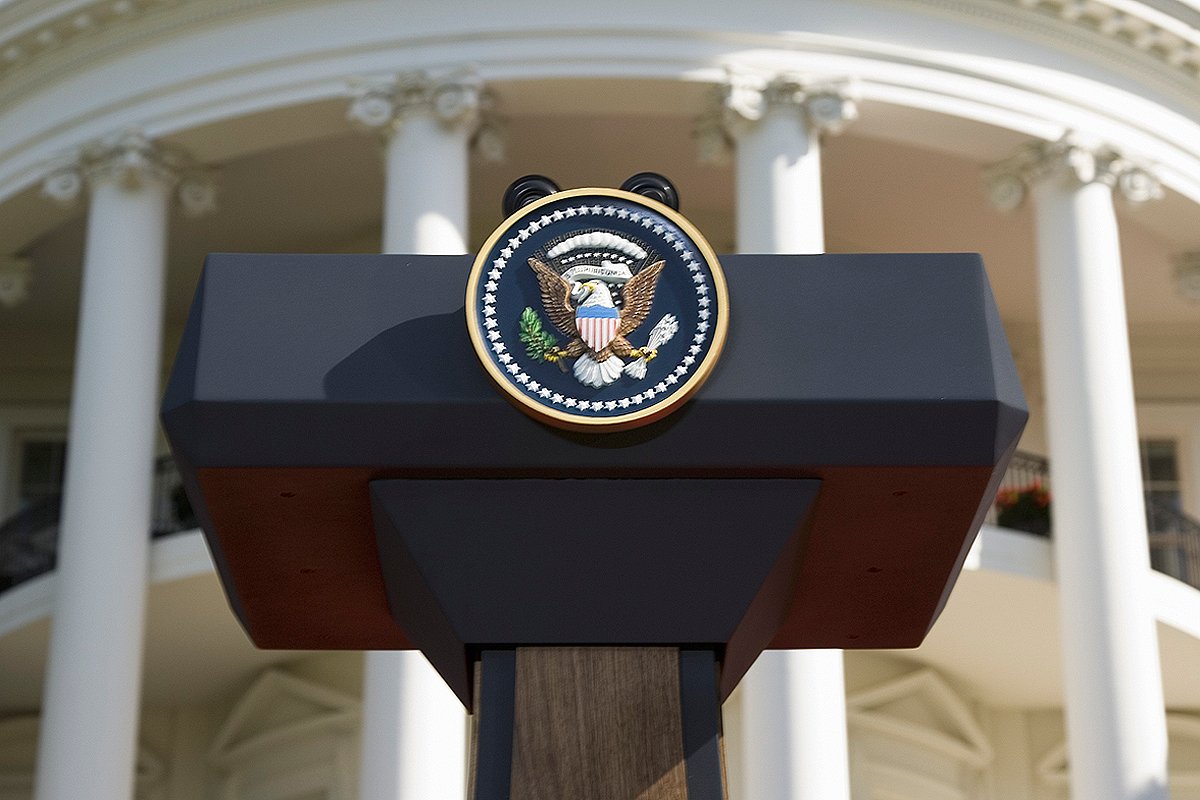
I think there was a nationwide roll of the eyes when, on Wednesday, November 7, 2012, pundits began talking about the 2016 elections. But I also think it was a double-standard moment as many of us already had our curiosity piqued as to who could possibly pick up the torch in January 2017.
Indeed, the media knew what we were thinking, and the polls began rolling out. I was surprised to find out that by November 2014, there had already been nine polls questioning us about who we think should succeed Mr. Obama. To put that into perspective, for the 2008 Election, there had been seven by the same timestamp; for 2000, six; and 1992, only two. Clearly we aren’t settled once we know who our president is, we immediately want to know who will follow him/her.
Sidenote here: I find it interesting that we place that much celebrity on the president, considering so much of our complaints and confusions regarding federal governance falls on Congress. Perhaps we should look ahead two years, if at all. Choosing a wise visionary to represent us in the House and Senate might allow us to live in the present while hoping for and expecting a blessed future.
For Jeb Bush to announce he was exploring options on December 16 last year, a whole 692 days before the election, it could make one think that these people, these candidates have big dreams if they start selling themselves so early. Ted Cruz announced his candidacy this past March, more than 19 months (596 days) before the election; and Ms. Clinton, three weeks later (576 days to go).
Again, why the early announcements? Cursory research indicates that it can discourage other prospective candidates from throwing their hat in. Also, we cannot forget that primaries start much earlier. And, of course, there’s the money. The earlier you start, the longer you have to raise money. So, I really hope there’s not a candidate out there saying money doesn’t buy an election. These candidates know they need it, and they need time to find it (Ironically, that makes the campaign all the more expensive). Unfortunately, no one seems to be explaining an early entry as an excitement for their vision for the country.
These candidates have well over a year to present a dream for our future. I know that might sound overly emotional and dreamy, but what is a candidate without a dream and an eagerness? Now yes, they have have eagerness. They’re eager to be president. They’re eager to promote an agenda. And clearly, they must be eager to run for president considering they’ve announced so early and have begun the hard work of becoming president. Most candidates even have clear positions on some of our pressing and not-so-pressing issues.
I recognize my critique can become irrelevant within 6-9 months, as these candidates begin articulating and clarifying their platforms, but again, why wait until then? If we are dreaming and scheming about 2017, then let’s get real about it.
The springboard for this criticism of our current candidates is based in part on how they are sidestepping an issue by avoiding the term “middle class.” In a recent New York Times article, candidates find alternate phrases to identify this group of people, because the term “middle class” indicates greater vulnerability and less ability than it had in past decades. Since people do not feel middle class anymore, prospective leaders do not want to use it, instead of calling people into to this lost or longed-for position.
Perhaps, just maybe, the chance to be relevant and to authentically lead for the next term, the candidate needs to demonstrate that he or she can lean into the problems people are facing, and instead of maintaining alignment with an agenda, will maintain alignment with a progressive momentum. Now, by “progressive”, I mean exactly what the word means: (adj.) proceeding step by step. The Right criminalizes the term, while the Left claim they own it. When, in reality, we all should simply live it–proceeding, or moving forward, step by step.
So then we can ask, who will lead us forward, one step at a time? Who will lead with an expectation of ensuring a livable, equitable, fair, successful, sustainable, clean, free, and fun future? That will be the candidate who can wisely lean into issues such as racism, climate change, income inequality, criminal (in)justice, political and corporate integrity, nuclear proliferation, and domestic and international human rights issues and can appropriately handle nonpolitical, non-policy issues that bring division–and maybe even occasionally bite the hand that fed them with a critique of campaign financing. Why not use these nine to twelve months planting vision and demonstrating this literal sense of progressivism? I believe it could win more votes than sticking to the talking points. The candidate who can do that will be the candidate who will have my attention for the next 18 months.
 Unbreaking the News